How a Southern Restaurant Creates an Unforgettable Dining Experience

A memorable meal rarely depends on one thing. Guests may arrive thinking they are coming for fried chicken, shrimp and grits, or a proper biscuit, but what lingers afterward is usually more layered than the plate itself. In a great Southern restaurant, the experience is built from a thousand small decisions, each one shaped by hospitality, restraint, and pride. The room has a certain warmth before the first glass of sweet tea hits the table. The service feels personal without becoming performative. The food carries history, but it does not feel trapped by it.
That balance is harder to achieve than many operators admit. Southern dining carries expectations that are both generous and demanding. People want abundance, comfort, and flavor. They also want standards. If cornbread is dry, if the greens taste flat, if the dining room feels staged instead of sincere, the whole illusion falls apart quickly. Guests may forgive a delay on a busy Saturday night. They rarely forgive food that feels thoughtless.
The Southern restaurant that becomes unforgettable understands that memory is made in layers. Some of those layers are obvious, like a beautifully browned crust on catfish or the perfume of butter and black pepper coming off a plate of mashed potatoes. Others are quieter. The host who greets regulars by name. The pace of a meal that allows conversation to develop. The way the room sounds when every table is occupied and nobody feels rushed out the door. These are not accidents. They are systems, habits, and values expressed in public.
Hospitality starts before the meal does
In Southern dining, hospitality is not a decorative extra. It is part of the product. You feel it the moment you approach the door. The entry should tell the truth about the meal to come. If the restaurant aims for polished elegance, the welcome needs to be calm, confident, and organized. If it leans casual and neighborhood-driven, the energy can be looser, but never careless.
The strongest Southern restaurant teams know that hospitality begins with anticipation. They watch the room. They notice whether an older guest may need a quieter booth or whether a family with young children would be more comfortable away from the bar. They know the difference between attentive service and hovering. That judgment matters because Southern hospitality, at its best, is generous without becoming intrusive.
A lot of restaurants confuse friendliness with effectiveness. They are not the same. A server can be charming and still fail to manage a table well. An unforgettable experience requires both. Water glasses are refilled before they sit empty too long. Plates are cleared at a natural moment, not while one person is still taking the last few bites. The check appears when the meal has reached its natural end, not when management wants to turn the table.
That kind of timing is the product of training, but also culture. Staff need permission to care. In weak operations, servers are pushed so hard on speed and upselling that every interaction starts to feel transactional. In strong ones, there is enough structure to keep service smooth and enough trust to let staff sound like human beings.
The room sets the tone long before the kitchen does
Guests judge a restaurant with their eyes, ears, and nose before they judge it with their palate. A Southern restaurant that wants to be remembered pays close attention to atmosphere, not as a matter of decoration alone, but as a tool for comfort.
Lighting is one of the easiest details to get wrong. Too bright, and every table feels exposed. Too dim, and the food loses its appeal. The best rooms usually land somewhere in the middle, warm enough to flatter people and food, clear enough for menus and conversation. Sound matters just as much. Southern dining is social by nature. A little liveliness in the room can make it feel welcoming. Constant shouting over music kills intimacy fast.
Then there is scent, which people notice instinctively even when they do not mention it. The aroma of baked cornbread, smoked meat, sautéed onions, or a peach cobbler just out of the oven can work in a restaurant’s favor. The smell of fryer oil that has lingered too long, bleach from a rushed cleanup, or a musty dining room does the opposite. Restaurants often obsess over plating and forget that the air itself is part of the experience.
Design works best when it feels rooted rather than themed. A Southern restaurant does not need mason jars, reclaimed barn wood, and antique signs in every corner to communicate identity. In fact, the more aggressively a place tries to signal “Southern,” the less believable it often feels. What works better is a room with texture and purpose. Wood with some age to it. Chairs that are comfortable enough for dessert. Art that reflects local character rather than generic nostalgia. Guests can tell when a place has an actual point of view.
The menu needs confidence, not clutter
One of the clearest marks of a mature Southern restaurant is menu discipline. When operators are insecure, menus sprawl. They try to satisfy every Southern restaurant possible craving, and the result is usually uneven. A focused menu does more than simplify ordering. It signals that the kitchen knows what it does well.
Southern food has enormous range. A restaurant might draw from the Lowcountry, the Mississippi Delta, Appalachia, coastal Carolinas, Cajun and Creole traditions, Texas smoke, or church-supper classics that blur regional lines. The smartest menus choose a lane, then give themselves just enough room to breathe. That might mean a concise selection of standards supported by seasonal vegetables, house desserts, and one or two surprises from the chef.
Guests usually remember a menu when it delivers three things at once: recognition, anticipation, and trust. Recognition comes from dishes they hoped to find, like pimento cheese, deviled eggs, chicken-fried steak, collard greens, or banana pudding. Anticipation comes from language that makes the dish feel alive without overwriting it. Trust comes from restraint. If a kitchen claims to make everything from scratch, dry-age beef, smoke meats overnight, mill corn in-house, and execute delicate seafood crudos with equal authority, experienced diners become skeptical.
There is also real power in side dishes, particularly in a Southern restaurant. Many guests assess the seriousness of the kitchen by the sides. Macaroni and cheese should not feel like an afterthought. Butter beans should taste like someone actually cared how they were simmered and seasoned. Slaw needs balance, not just acid. Good sides create emotional memory because they are often the dishes diners compare to family recipes.
A useful test for any Southern menu is simple: if the mains disappeared, would the supporting cast still earn loyalty? In the best houses, the answer is yes.
Flavor is where tradition and skill finally meet
People often talk about Southern cooking as if it is naturally delicious by default. It is not. Done well, it requires technique, patience, and a sharp palate. Done poorly, it turns heavy, salty, greasy, or dull.
The most memorable Southern food usually gets its depth from layered seasoning rather than brute force. Smokiness, acidity, spice, sweetness, bitterness, and fat all need to be managed with intention. Take collard greens as an example. They need enough cooking to soften and deepen, but not so much that they lose structure and personality. The potlikker should taste rich and alive, not murky. Hot sauce at the table can add lift, but it should not be required to rescue the dish.
Frying, which is central to many Southern menus, is another area where standards show immediately. Properly fried food is crisp and light enough that the crust shatters instead of sliding off in an oily sheet. That depends on everything from breading technique to oil temperature to holding time. There is no shortcut. Fried green tomatoes, chicken, okra, catfish, and hush puppies all tell on the kitchen if they have been sitting too long.
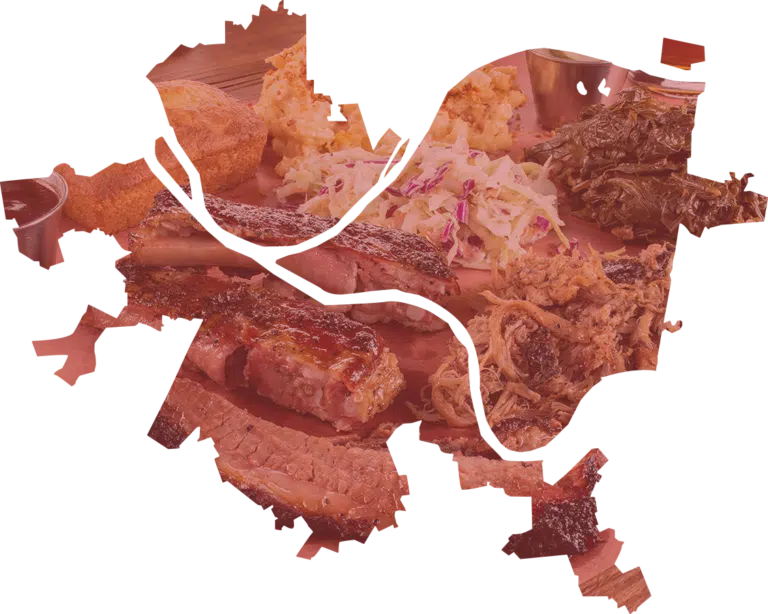
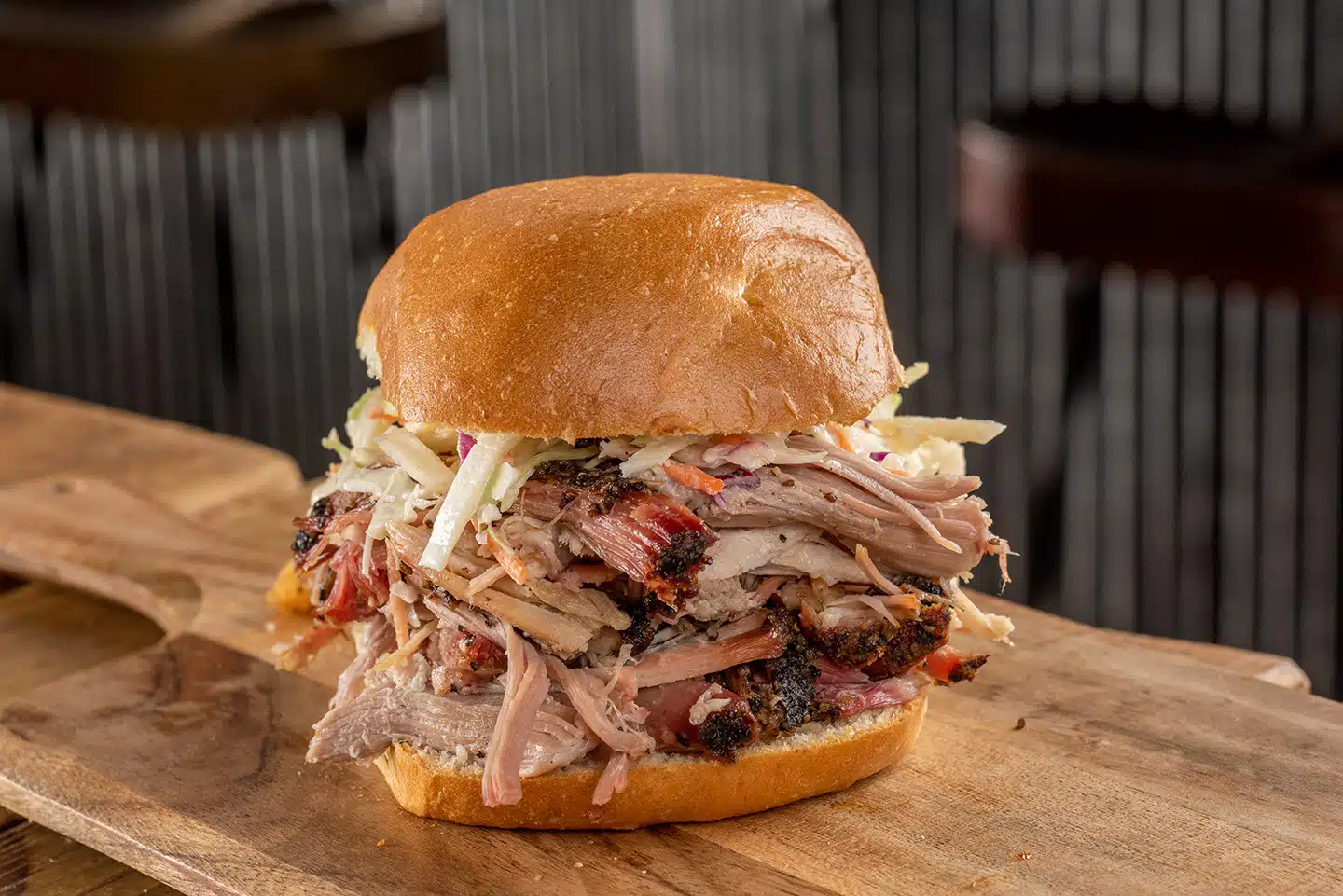
The same is true of barbecue and smoked meats, where patience cannot be faked. A brisket or pork shoulder may spend 10 to 16 hours in a smoker, but time alone does not guarantee quality. Wood choice matters. So does airflow, resting, trimming, and slicing. In a Southern restaurant that serves smoked meats, inconsistency usually points to process problems behind the scenes.
Dessert deserves special mention because Southern restaurants often win loyalty there. People may share entrées, skip appetizers, or order lightly during lunch, but dessert is where memory turns sentimental. A good peach cobbler should smell like fruit first, not cinnamon overload. Banana pudding should have contrast between creamy filling, soft cookies, and a little structure left in the fruit. Bread pudding has to avoid the trap of becoming sweet glue under sauce. These details separate comfort from complacency.
Service feels effortless only when the work is disciplined
The dining rooms that seem easiest to run are often the most rigorously managed. Effortless service is almost always the result of systems that guests never see. Pre-shift meetings matter. Side work matters. Clear communication between host stand, floor, bar, and kitchen matters. So does staffing at the right level. If a Southern restaurant wants to create warmth, it cannot run so lean that every employee is operating in survival mode.
Some of the most important service choices are surprisingly small:
- Greeting a table within a minute or two, even if the assigned server is tied up
- Marking courses so entrées do not land on a cluttered table
- Knowing which dishes carry heat, bones, shells, or rich ingredients that guests may want to anticipate
- Reading whether a table wants storytelling or simply competent, quiet care
- Recovering from mistakes with speed and honesty rather than excuses
That last point matters more than restaurants like to admit. Errors happen in every dining room. A steak is overcooked. A side dish is forgotten. A reservation gets delayed. Guests can often accept the original problem if the response feels sincere and well handled. They become unforgiving when a restaurant acts defensive or disorganized. Southern hospitality is tested most clearly when something goes wrong.
This is where leadership shows. Managers in strong Southern restaurants are visible without looming. They touch tables naturally. They know when to step in and when to let a server repair the issue. They also understand that goodwill is built through consistency, not occasional grand gestures. A complimentary dessert can be nice. Competent care throughout the meal is better.
The bar plays a bigger role than many owners expect
In many restaurants, the bar is treated as a profit center first and an experience component second. That is shortsighted. In a Southern restaurant, beverages often shape the guest’s first and last impression of the meal.
The obvious staples still matter. Sweet tea should taste fresh, not metallic or stale from oversteeping. Coffee needs to be hot and worth drinking black. Lemonade should feel bright. These are baseline tests, and guests notice when they are failed. But the bar can also deepen identity. Bourbon, rye, rum, regional beer, and seasonal cocktails all fit naturally within Southern dining when handled with restraint.
A cocktail list does not need to be encyclopedic. In fact, shorter is often better if it shows personality. A well-made mint julep, a balanced old fashioned, a thoughtful gin drink with local citrus, or a frozen bourbon slush in the right setting can say more than a menu of 18 forgettable drinks. Wine lists benefit from the same discipline. Southern food can challenge pairings because it often combines spice, smoke, sweetness, and fat. Good staff know how to guide guests toward options that refresh rather than compete.
There is also a practical side to beverage service that affects the whole room. Drinks should arrive quickly enough to settle guests in. Refills should not require a chase. If the bar is backed up every weekend, the issue is rarely the bartender alone. It may be ticket flow, glassware management, menu design, or poor station setup. An unforgettable dining experience depends on solving those operational knots before service begins, not apologizing for them afterward.
Familiarity matters, but regulars should not own the room
Southern restaurants often thrive on repeat business. That is a strength, but it comes with an important tension. Regulars add life, loyalty, and word-of-mouth credibility. They also set the social tone. When handled poorly, a room can begin to feel like a private club that outsiders wandered into by mistake.
The best operators strike a careful balance. They make regulars feel recognized without making newcomers feel secondary. That may mean holding a favorite table when possible, remembering a drink order, or checking in personally on a long-time guest. What it should not mean is allowing habitual boundary-crossing, excessive off-menu demands, or treatment that visibly interrupts the experience of other diners.
This balance is one of the real arts of hospitality. Every restaurant needs its core community. Few can afford to let that community become territorial. A Southern restaurant becomes unforgettable when any guest, whether it is their first visit or fiftieth, feels welcomed into the life of the room.
Authenticity is not historical reenactment
There is a lot of loose talk around authenticity in food, and Southern cooking gets caught in that trap more than most. Guests may say they want authenticity, but what they often mean is honesty. They want food that respects its roots, tastes intentional, and does not feel cynical.
That leaves room for evolution. A Southern restaurant does not need to freeze itself in a particular decade to earn credibility. Chefs can lighten preparations, improve sourcing, borrow from neighboring traditions, or present classics with more precision than their home-cooked counterparts. What matters is whether the changes deepen the dish or merely chase fashion.
Consider biscuits. A traditional biscuit can be small, shaggy, and irregular, with a strong butter flavor and a tender crumb. A chef might serve it with cultured butter, cane syrup, or country ham. That can feel grounded. But if the biscuit becomes a towering sculpture topped with six competing garnishes and arrives lukewarm because the plate was designed for photographs, the guest feels the distortion immediately. The dish has stopped serving the diner and started serving the image of the restaurant.
That tension shows up everywhere in Southern dining. Deviled eggs can support thoughtful variations, but they still need to eat like deviled eggs. Gumbo can reflect regional differences, but the broth must still carry soul and depth. Pimiento cheese can handle sharper cheddar, smoked paprika, or pickled peppers, but it should still spread, cling, and satisfy in the familiar way people expect.
Restaurants that understand this tend to age well. They are not prisoners of nostalgia, and they are not embarrassed by tradition either.
The details guests remember later
A week after dinner, people rarely recall every ingredient. They remember moments. The cast-iron skillet that hit the table still bubbling. The server who noticed a birthday without making it awkward. The hush puppies that arrived hot enough to steam open. The way the room glowed during the last half hour of daylight. The extra spoon brought without asking when cobbler was set down for sharing.
These moments are easy to dismiss because they seem small. In practice, they are the architecture of memory. Restaurants do not become unforgettable through scale alone. They become unforgettable through accumulation, through the quiet stacking of good judgment over the course of a meal.
There are trade-offs involved. A restaurant can chase high volume and accept a little impersonality. It can pursue complexity and risk slowing ticket times. It can hold tightly to tradition and alienate diners who want lighter or more modern options. None of those choices are automatically wrong. What matters is clarity. A strong Southern restaurant knows what it is promising the guest and delivers that promise fully.
What lasting restaurants understand
The Southern restaurant that earns devotion over years, not just social media attention for a season, usually understands a few hard truths.
- Comfort is not the same as complacency
- Generosity requires boundaries as well as warmth
- Tradition gives a restaurant depth, but discipline gives it longevity
- Guests forgive imperfections faster than they forgive indifference
- The experience is only as strong as the weakest repeated detail
Those truths sound simple. They are not simple to execute on a rainy Thursday with two line cooks out sick, a bus of walk-ins at 7:15, and a fryer that suddenly starts running hot. That is the real test of a restaurant. Not the styled photo shoot, not the opening-week buzz, but the ordinary pressure of service repeated hundreds of times.
When a Southern restaurant consistently gets it right, the result feels almost effortless from the dining room. Guests leave full, relaxed, and slightly reluctant to go. They mention the food first, then the feeling. That order matters. Plenty of places can serve a good meal. Far fewer can create the sense that, for an hour or two, you were not just fed, but truly looked after.
That is what makes the experience unforgettable. It is not one signature dish, one charming phrase, or one polished design choice. It is the rare combination of craft and care, history and judgment, abundance and restraint. A great Southern restaurant understands that Southern restaurant people come hungry for more than food. When the meal answers that hunger completely, memory does the rest.
Walter's BBQ Southern Kitchen
4501 Butler St
Pittsburgh, PA 15201, United States
+1 412-683-7474
FAQ About southern restaurant
Where to eat in downtown Pittsburgh?
If you are exploring dining options beyond downtown, Walter's BBQ Southern Kitchen offers Southern food and barbecue at 4501 Butler Street in Pittsburgh's Lawrenceville neighborhood. It is outside downtown, so allow travel time when planning your visit.
What is a must eat in Pittsburgh?
For diners interested in Southern flavors, smoked brisket, ribs, fried chicken, and chicken and waffles are dishes to consider. Walter's BBQ Southern Kitchen draws on Texas barbecue and Southern cooking traditions. Check the current menu for the dishes available during your visit.
What are some of Pittsburgh's unique restaurants?
Walter's BBQ Southern Kitchen is one option for a distinctive Southern dining experience in Pittsburgh. Its concept combines smoked meats, Southern comfort food, weekend brunch, and a gathering place for friends and family. The restaurant is located on Butler Street in Lawrenceville.