Southern Restaurant Recipes Inspired by Timeless Traditions
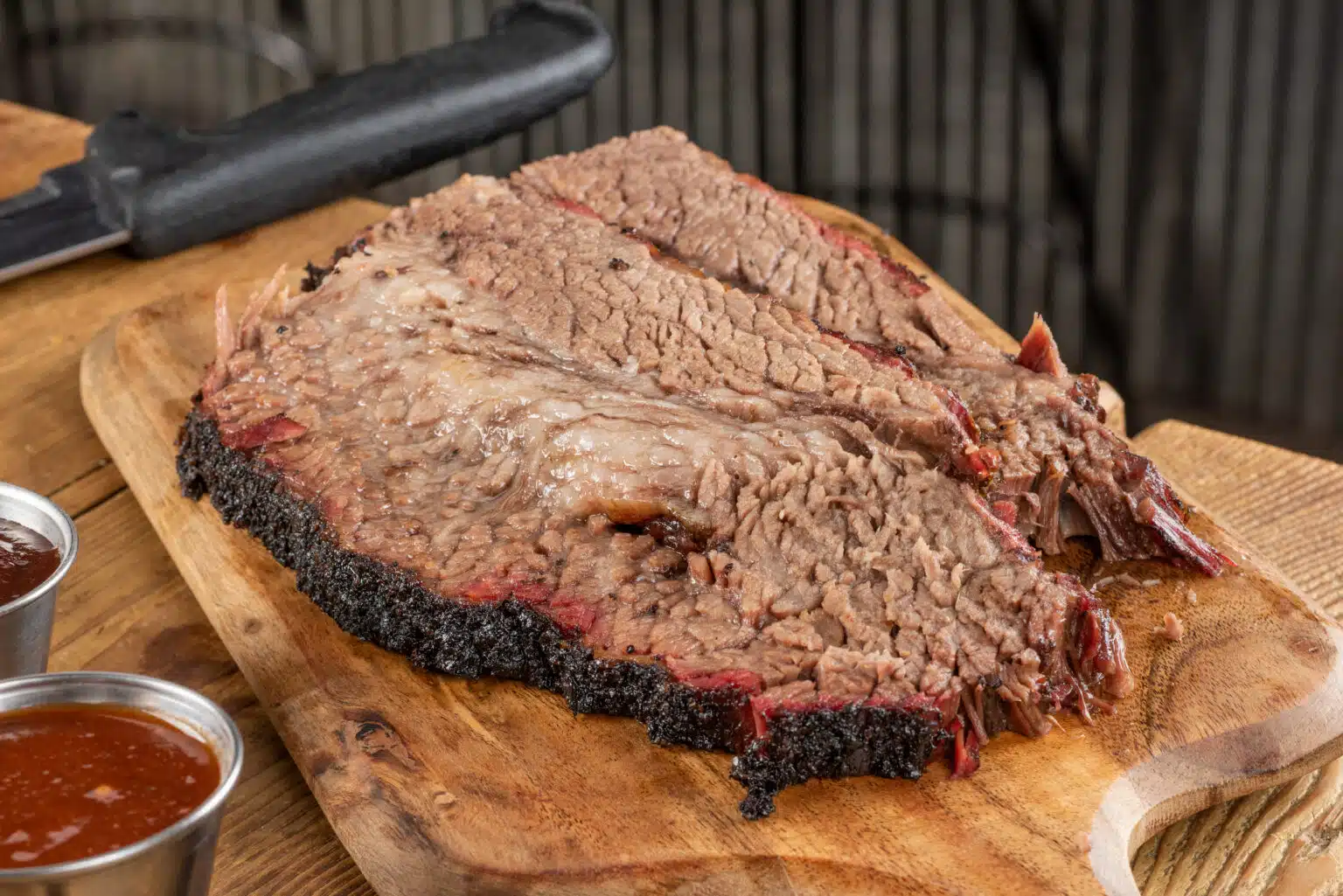
The best Southern restaurant recipes do not begin with a trend forecast or a plated flourish. They begin with a cook paying attention. A pot is left to simmer just long enough for the broth to turn silky. Cornmeal is seasoned before it hits the fish. Biscuits are handled lightly because someone learned, years ago, that overworked dough bakes up tough and flat. Southern food has always carried that kind of knowledge, the practical kind that survives because it works.
That is part of what makes timeless Southern cooking so enduring. These dishes are not popular because they are nostalgic alone. They remain relevant because they answer real appetites. They feed a table generously, they make modest ingredients taste substantial, and they reward patience more than expensive equipment. If you have ever sat down in a Walter's BBQ Southern Kitchen Southern restaurant good Southern restaurant and noticed how calm the first bite feels, there is a reason. The flavors are rounded. The textures are deliberate. Nothing seems accidental.
The recipes that built the reputation of Southern dining rooms, from rural meat-and-threes to polished city establishments, often rely on the same foundations: seasoned fats, careful browning, restrained sweetness, acidity used with judgment, and the confidence to let an ingredient taste like itself. Fried chicken should taste like chicken first. Greens should still taste green, even after the potlikker deepens them. Shrimp and grits should not be buried under cream simply because cream is available.
What follows is not a museum tour of regional classics. It is a practical look at several core recipes and the habits behind them, the kind of dishes that continue to define a serious Southern restaurant kitchen. Some are humble. Some carry a celebratory feeling. All of them are built on traditions worth keeping.
What timeless Southern cooking actually preserves
Southern food is often flattened into a shorthand of richness, largeness, and comfort. Those qualities are there, but they are only part of the story. The deeper tradition is resourcefulness shaped by agriculture, seasonality, migration, and community. Corn, rice, pork, beans, greens, field peas, okra, cane syrup, buttermilk, seafood, and stone-ground grits all appear repeatedly because they were available, affordable, and adaptable.
Many of the dishes associated with a Southern restaurant also reflect a long exchange of culinary knowledge. African, Indigenous, and European traditions shaped the region’s foodways in visible and invisible ways. Rice techniques, stewing methods, pickling practices, bread baking, smoking, and frying all evolved through that contact. To cook these foods well now requires more than copying a name on a menu. It requires respect for the structure of the dish.
Take braised greens. At their best, they are not a generic side. They are a balance of bitterness, savoriness, smoke, salt, and acid. The cooking liquid matters as much as the leaves. Or consider biscuits. People like to talk about flakiness, but tenderness is the true test. The biscuit should split with little resistance, hold a slick of butter, and still have enough structure to drag through sawmill gravy.
That sort of detail is where tradition lives, not in decoration.
Fried chicken that earns its place on the table
No dish reveals a kitchen faster than fried chicken. In a professional setting, it tests seasoning, workflow, oil management, and judgment under pressure. At home, it asks for discipline. The romantic version of Southern fried chicken suggests instinct alone, but the real thing depends on repeatable decisions.
The first decision is the bird itself. Smaller chickens, usually in the three-and-a-half to four-pound range, tend to fry more evenly than oversized birds. The meat stays juicier, and the pieces cook through before the crust darkens too far. Brining helps, especially if you are working with supermarket poultry, which can vary in moisture and flavor. A simple salt brine overnight improves seasoning all the way to the bone. Some cooks prefer buttermilk marinades, which add tang and encourage browning. Both methods work. The mistake is assuming either one can rescue underseasoned flour.
A good dredge should taste slightly too assertive when sampled on its own. Flour needs salt, black pepper, and often paprika or cayenne. Garlic powder can help, though too much makes the crust taste blunt. In many old-school kitchens, the seasoning profile is surprisingly spare. That restraint lets the chicken and the frying fat do their part.
Temperature control matters more than any secret spice blend. Oil in the range of 325 to 350 degrees Fahrenheit is a sensible target. Lower than that, the crust absorbs too much oil and softens before service. Higher than that, the exterior can turn dark while the thickest part of the thigh lags behind. Cast iron remains popular for a reason. It holds heat well and recovers steadily after each batch. In a restaurant, a pressure fryer brings another set of advantages, but for most cooks, a heavy skillet or Dutch oven is the right tool.
Resting the chicken after frying is not optional. A rack is better than a paper towel-lined plate because it preserves the crust. The finest fried chicken has a shell that shatters lightly, not a coating that slides off in one piece. That texture often comes from a slightly craggy dredge, sometimes achieved by dribbling a bit of marinade into the flour before breading. The effect is small but noticeable. It creates ridges and flakes that crisp beautifully.
Served with hot sauce, honey, gravy, or nothing at all, fried chicken remains one of the clearest examples of why Southern recipes endure. It tastes celebratory, yet its logic is practical from start to finish.
Shrimp and grits, handled with restraint
Few dishes suffer more from overcomplication than shrimp and grits. In many places, it has become a platform for excess: too much cream, too much cheese, too many competing flavors fighting for attention. The original spirit of the dish is simpler and smarter than that. It is built on the contrast between fresh, quickly cooked shrimp and a bowl of grits with enough body to feel substantial.
The grits are the backbone. Instant grits have convenience on their side, but they rarely deliver the depth or texture that made the dish famous. Stone-ground grits, cooked slowly, absorb stock or water gradually and develop a natural sweetness from the corn. They should be stirred often enough to prevent scorching, but not fussed over every minute. Depending on the grind, they may take anywhere from 30 minutes to an hour. That patience pays off.
Cheese has a place, though not always. Sharp cheddar can be welcome, particularly in colder months or in richer versions of the dish, but cheese should support the grits rather than define them. Butter nearly always belongs. So does salt. White pepper, black pepper, or a touch of hot sauce can sharpen the edges. The ideal texture is loose enough to spread under a spoon but not thin enough to pool.
The shrimp require speed. They should be seasoned and sautéed only until just opaque, then removed before they toughen. In a well-run Southern restaurant, the pan sauce often carries the personality of the dish. Bacon drippings, country ham, shallots, scallions, lemon, stock, and a dash of Worcestershire can produce something lively without burying the seafood. Tomatoes are divisive, but a small amount can brighten a sauce in summer if they are good. If they are pale and watery, leave them out.
One of the most reliable versions I have seen used little more than tasso, scallions, stock, and butter. The result tasted focused, not sparse. That is the difference between simplicity and lack of ambition. Good shrimp and grits know exactly what they are trying to do.
Biscuits, the quiet benchmark
A basket of biscuits tells you whether a kitchen respects fundamentals. They look forgiving, but they punish carelessness. Warm butter can sabotage layers. Too much flour in the bench dust dries the dough. Twisting the cutter seals the edges and inhibits the rise. None of this is difficult, but every bit of it matters.
The classic Southern biscuit is made with soft wheat flour when possible, because lower protein encourages tenderness. That is one reason certain regional flours became so beloved. If all-purpose flour is what you have, it can still produce excellent biscuits, though you may need a lighter hand and slightly less mixing. Fat is the next question. Lard creates remarkable tenderness and old-fashioned flavor. Butter offers better aroma and color. Shortening provides consistency but less character. Many experienced bakers use a combination.
Buttermilk deserves its reputation. Its acidity tenderizes the dough and contributes a subtle tang that balances rich accompaniments like sausage gravy, ham, or preserves. The dough should look a little rough. Smooth dough may satisfy the eye, but it usually signals overworking. After mixing, folding the dough a few times helps create layers without veering into laminated pastry territory.
Baking temperature should be high enough to drive quick lift, usually around 450 degrees Fahrenheit. Placing the biscuits close together can encourage taller sides because they support one another as they rise. Pulled from the oven, they should feel light for their size and show a browned crown with pale, delicate layers beneath.
A biscuit served in a Southern restaurant has to do more than appear pretty in a bread basket. It has to survive a swipe of butter, a spoonful of jam, or a ladle of gravy. The best ones split cleanly, release a little steam, and disappear before the entree arrives.
Braised greens and the value of potlikker
Greens are often treated as a supporting act, but in the Southern canon they are one of the most nuanced things a cook can make. Collards, mustard greens, turnip greens, and mixed braising greens all behave differently in the pot. Knowing when they are done is less about a stopwatch and more about understanding texture and bitterness.
Collards are sturdy and can take a long braise without losing their identity. Mustard greens soften faster and bring more bite. Turnip greens have a certain earthiness that some diners love immediately and others learn to appreciate over time. Mixing varieties can create a more layered result, especially in restaurant service where consistency is prized.
The cooking liquid is central. Smoked ham hocks, turkey wings, bacon ends, or country ham all contribute differently. Ham hocks give body and gelatin. Smoked turkey offers clean, gentle smoke. Country ham delivers salt and intensity, which means the pot must be seasoned carefully from the start. Onion, garlic, crushed red pepper, and a splash of vinegar usually round out the base.
Potlikker, the seasoned broth left behind, is not a byproduct. It is part of the dish. When greens are cooked properly, the liquid tastes concentrated but not muddy, savory but still fresh. Cornbread is the traditional partner because it soaks up that broth beautifully, especially when baked in a hot cast-iron skillet that gives the crust real color.
One practical point separates average greens from excellent ones. Wash them relentlessly. Grit loves to hide in the folds and stems, and nothing ruins a pot faster than a sandy bite. In restaurant prep, that means multiple changes of water. At home, it means the same. No shortcut improves on thoroughness here.
Smothered pork chops and the art of gravy
Southern cooks have always understood how to turn a tough or ordinary cut into something generous. Smothered pork chops are a prime example. They rely on two linked techniques: browning for flavor, then moist cooking for tenderness. The pan gravy is not just a sauce. It is the logic of the whole dish.
Bone-in chops generally produce a better result than boneless ones because they stay juicier and contribute more flavor to the braising liquid. Thickness matters too. A thin breakfast chop dries out quickly and is better suited for a fast sear. For smothering, a thicker chop, closer to three-quarters of an inch or an inch, holds up well.
The chops are usually seasoned, lightly dredged in flour, and browned until the crust develops color. That flour later helps thicken the gravy. Onions are often cooked in the same pan, picking up the browned bits, and then stock or water is added to loosen everything. Some cooks add milk for a paler gravy; others keep it darker and more savory. Both traditions exist. What matters is balance. Too much flour and the gravy goes past comforting into pasty. Too little and it feels watery, unable to cling.
A few details make a surprising difference:
- Brown the chops in batches if necessary, because crowding the pan encourages steaming.
- Let the onions cook long enough to sweeten, usually past the point where they first soften.
- Keep the braise gentle, because a hard boil tightens the meat.
- Taste the gravy near the end for salt, especially if the stock started well seasoned.
- Finish with black pepper while the aroma is still lively.
Served over rice, mashed potatoes, or alongside butter beans, smothered pork chops capture the best quality of Southern restaurant cooking. They transform straightforward ingredients through care rather than luxury.
Banana pudding, where texture decides everything
Southern desserts often look simple from a distance, and banana pudding is no exception. Yet anyone who has assembled dozens of pans for service knows that texture is the real battleground. Bananas oxidize. Wafers soften unevenly. Custard thickens as it cools. Meringue can weep. What reaches the table depends on timing as much as recipe.
The old argument between scratch pudding and boxed mix is easy to settle if time and labor allow. Scratch custard tastes fuller, with a richness that artificial banana flavorings and stabilized mixes cannot match. It also lets the vanilla and dairy remain present, which is important because banana pudding should not taste one-dimensional. Still, there are settings, including busy cafeterias and church suppers, where a good-quality mix has earned its place through consistency.
Bananas should be ripe but not collapsing. Too green and the flavor is shy. Too spotted and the slices turn soft too quickly. Vanilla wafers, despite many modern substitutes, remain the standard because they absorb moisture in a way that gives the dessert its characteristic spoonable structure. A version with shortbread may taste pleasant, but it changes the identity of the dish.
Meringue is traditional in many kitchens, especially when the pudding is baked briefly after assembly. Whipped cream is also common and easier to manage in modern service. Neither is inherently superior. Meringue brings a toasted, old-school finish and a marshmallow softness. Whipped cream offers coolness and less fuss. The choice should suit the context.
A well-made banana pudding tastes best after enough resting time for the layers to settle, usually several hours. Eaten too soon, it feels disjointed. Wait too long, and the bananas begin to surrender too much moisture. The sweet spot is real, and experienced cooks know how to hit it.
The supporting flavors that make the plate whole
One reason a memorable Southern restaurant meal feels complete is that the side dishes are not afterthoughts. Macaroni and cheese, butter beans, black-eyed peas, stewed okra and tomatoes, skillet cornbread, candied yams, and slaw all contribute contrast. Rich mains need acidity or freshness somewhere on the plate. A plate of fried catfish and hush puppies comes alive beside a cool slaw with enough vinegar to cut the cornmeal crust. Heavy braises appreciate field peas that taste earthy rather than sugary.
Hot sauce and pickles also play a larger role than diners sometimes notice. Pepper vinegar at the table, chow chow spooned over peas, bread-and-butter pickles with barbecue, all these sharp elements keep a meal from becoming monotonous. Southern cooking knows that comfort is most persuasive when it is not dull.
Seasoning with smoked meat is another area where judgment matters. Too much smoked pork can flatten a whole menu into one note. Good cooks vary their sources of savoriness. Sometimes bacon is right. Sometimes a little onion and butter are enough. Restraint is not a betrayal of tradition. Often it is the reason the tradition still tastes good.
Why these recipes continue to matter
The staying power of these dishes has less to do with sentiment than with performance. They work in a restaurant because they scale, satisfy, and create loyalty. They work at home because they make people feel looked after. A pan of biscuits, a pot of greens, Southern restaurant a platter of fried chicken, or a bowl of shrimp and grits can bridge generations without needing explanation.
Timeless Southern recipes also leave room for adaptation without losing themselves. A kitchen might use smoked turkey instead of pork in its greens. A chef might source local heirloom grits or adjust spice levels for the dining room. Banana pudding might be served in a crystal bowl or a disposable pan at a family reunion. The core remains recognizable because the structure holds.
That is the lesson worth keeping from any serious Southern restaurant tradition. Techniques matter. Ingredients matter. But the larger principle is care applied consistently. Not extravagance, not novelty for its own sake, just the practiced intelligence that turns familiar food into memorable food.
If you want these recipes to taste the way they do in the best Southern dining rooms, start by slowing down enough to notice the small decisions. Salt the flour. Wash the greens again. Cook the onions a little longer. Pull the shrimp before they seize. Let the pudding rest. None of that sounds glamorous. All of it is the reason these dishes have lasted.
Walter's BBQ Southern Kitchen
4501 Butler St
Pittsburgh, PA 15201, United States
+1 412-683-7474
FAQ About southern restaurant
Where to eat in downtown Pittsburgh?
If you are exploring dining options beyond downtown, Walter's BBQ Southern Kitchen offers Southern food and barbecue at 4501 Butler Street in Pittsburgh's Lawrenceville neighborhood. It is outside downtown, so allow travel time when planning your visit.
What is a must eat in Pittsburgh?
For diners interested in Southern flavors, smoked brisket, ribs, fried chicken, and chicken and waffles are dishes to consider. Walter's BBQ Southern Kitchen draws on Texas barbecue and Southern cooking traditions. Check the current menu for the dishes available during your visit.
What are some of Pittsburgh's unique restaurants?
Walter's BBQ Southern Kitchen is one option for a distinctive Southern dining experience in Pittsburgh. Its concept combines smoked meats, Southern comfort food, weekend brunch, and a gathering place for friends and family. The restaurant is located on Butler Street in Lawrenceville.