The Lasting Appeal of Traditional Southern Restaurant Dining
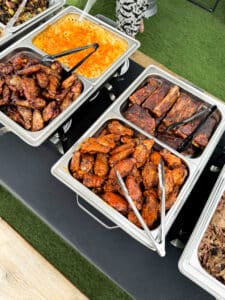
Walk into a traditional Southern restaurant at the right hour, and you can feel the pace of the room before you ever study the menu. There is usually a low hum of conversation, the soft scrape of chair legs, the clink of iced tea glasses, and somewhere in the background, a server calling out a side of cornbread or another plate of fried chicken. The appeal is not built on nostalgia alone, though nostalgia certainly plays a role. It comes from something sturdier: a style of dining that still treats food, hospitality, and place as inseparable.
That combination matters more than many operators realize. Plenty of restaurants can produce a good meal. Fewer can create the sense that a meal belongs to a region, a history, and a set of social habits that people still find comforting. A traditional Southern restaurant does not merely serve dishes associated with the South. At its best, it offers a recognizable grammar of dining, where generosity, rhythm, and familiarity are part of the product.
The staying power of that experience is remarkable. Dining trends have come and gone over the past few decades. Fast casual reshaped expectations around speed. Chef driven concepts raised the profile of local sourcing and seasonal menus. Delivery apps altered the economics of restaurants and the habits of diners. Through all of that, the traditional Southern restaurant has held its ground, not because it resists change blindly, but because it offers something people continue to want: food that feels anchored, service that feels human, and an environment where the meal still has social weight.
More than comfort food
The phrase comfort food often gets attached to Southern cooking so automatically that it can flatten the subject. It suggests softness, indulgence, and familiarity, all of which can be true. But it can also imply that the cuisine succeeds only because it reminds people of home. That is too narrow. The best Southern restaurant dining appeals not just because it comforts, but because it is deeply skilled.
A properly browned pan of cornbread, for example, looks simple enough. Yet the difference between average cornbread and memorable cornbread comes down to details that experienced cooks respect. The heat of the cast iron, the texture of the meal, the ratio of flour to cornmeal, the amount of sugar, if any, and the timing between mixing and baking all matter. The same is true of collard greens, black eyed peas, biscuits, shrimp and grits, country ham, and banana pudding. These are dishes that can seem plain to anyone who has never tried to prepare them well at scale.
Traditional Southern dining also depends on balance. Richness has to be offset with brightness. Salt has to be managed carefully, especially in dishes built from cured meats, gravies, or seasoned breading. Fried food needs freshness and restraint, or the whole table can feel heavy by the halfway point. Good operators understand this intuitively. They know that pickled vegetables, a pepper vinegar on the table, or a side of stewed tomatoes can keep a meal lively. They know that a plate needs contrast, not just abundance.
That practical knowledge is one reason diners return. They are not simply chasing memories. They are responding to a level of craft that is easy to miss when a cuisine becomes overly familiar.
Hospitality as part of the meal
One of the defining strengths of a traditional Southern restaurant is that service tends to feel relational rather than transactional. This does not mean every dining room is chatty or formal in the same way. It means the guest is often treated as someone to be looked after, not just processed efficiently.
That distinction sounds subtle, but in operation it changes everything. A good Southern dining room has a way of making regulars feel recognized without making first time guests feel like outsiders. Servers often know when to linger and when to keep things moving. Refills arrive before they are requested. Recommendations are usually practical rather than performative. If the fried catfish is especially good that day, someone will tell you. If the kitchen is running long on a popular lunch special, a seasoned server may steer you elsewhere.
These gestures do not require luxury. In fact, some of the strongest examples appear in modest dining rooms with laminated menus, vinyl booths, and daily specials written on a board near the register. The value is in attentiveness. Southern hospitality, when it is real, is not stagecraft. It is a discipline of noticing.
There is also a generosity to the traditional format that guests still appreciate. Portions tend to be substantial, but the broader generosity is emotional. A basket of biscuits lands on the table quickly. A child receives a little extra patience. Someone asks whether you want your tea sweet before setting down the glass. These are small acts. Repeated over time, they become part of the identity of the place.
This is where many newer concepts miscalculate. They may replicate the dishes, borrow the design cues, and use the right regional language on the menu, yet still miss the mark because the service feels detached. A Southern restaurant without warmth can still be competent, but it rarely becomes beloved.
Regional identity still matters
It is tempting to discuss Southern food as though it were one unified cuisine, but anyone who has spent time eating across the region knows better. The South contains strong local traditions, and traditional restaurants often preserve those distinctions more faithfully than trend driven establishments do.
In coastal areas, seafood may shape the menu in obvious ways, from shrimp and grits to fish fries and oyster roasts. In parts of the Carolinas, barbecue itself changes character from one county to the next, with different woods, sauces, and cuts carrying fierce loyalties. In Tennessee, meat and three dining has its own cadence and visual language. In Louisiana, the overlap with Creole and Cajun traditions creates an entirely different set of expectations around rice, roux, spice, and smoke. In Kentucky, country ham, spoonbread, and hot browns tell their own story. Even the question of whether sweet tea is the default can mark subtle differences in dining culture.
Traditional Southern restaurants often succeed because they are specific. They do not try to represent the entire region in one room. They honor a particular strain of it. Diners respond to that specificity because it feels honest. There is a difference between a place that serves pimento cheese because it belongs there and a place that serves it because focus groups say it reads as Southern.
That local grounding creates loyalty. People want restaurants that reflect where they are, or where they came from. A family that has moved away may seek out a Southern restaurant in another city because the food offers continuity. A traveler may visit one because it reveals something local that chain dining never can. In both cases, the restaurant gains importance by carrying regional identity into the present.
The dining room as a social space
Traditional Southern dining has always been about more than the plate. The restaurant itself often functions as a social commons, particularly in towns and neighborhoods where routine still matters. Sunday lunch after church, weekday breakfast before work, Friday seafood specials, and holiday season gatherings all give these places a rhythm that is larger than any one service period.
Spend enough time in these dining rooms and patterns emerge. Multi generational tables are common. Solo diners are often less isolated than they would be in other settings because the room invites casual conversation. Staff members know customers by name, or at least by order. Community notices may appear near the door. Elected officials campaign there because they know people show up. Local contractors meet clients there because the food is reliable and the atmosphere is familiar.
That social role helps explain why traditional Southern restaurants can survive periods that would break more novelty driven concepts. They are woven into habit. If a restaurant becomes the place where three generations of a family have celebrated birthdays, or where retirees gather for coffee every Tuesday, its value cannot be measured only in menu engineering or table turn speed. It has become part of people’s personal geography.
There is a business lesson in that. Restaurants that make themselves interchangeable invite customers to treat them as replaceable. Traditional Southern establishments tend to resist that trap by offering a stronger sense of belonging. Not every operator can manufacture that kind of attachment, nor should they try to fake it. But when it grows naturally over years of consistent food and good service, it creates remarkable resilience.
Why the menu still works
Part of the enduring appeal is simply that the food satisfies in a straightforward, reliable way. Traditional Southern menus are often structured around dishes people understand immediately. There is reassurance in that clarity. A guest does not need a server to decode the menu or explain the concept. They know what they are ordering, and often know what they want before they sit down.
That predictability does not mean the meal is boring. It means the restaurant removes friction. There is value in being able to order chicken fried steak, turnip greens, macaroni and cheese, and a slice of pie without performing curiosity. The experience is restful. Diners are not being challenged or instructed. They are being fed well.
The classic meat and three format captures this beautifully. It provides choice without excess complexity. It also allows kitchens to manage production intelligently. Braises, vegetables, casseroles, and desserts can be prepared in a way that supports volume while preserving quality. That model is especially effective at lunch, where guests often want speed but still expect a full meal.
At the same Southern restaurant time, the menu works because it invites return visits. A Southern restaurant with rotating specials, seasonal vegetables, and a dessert case that changes through the week can keep regulars engaged without reinventing itself. Familiarity and variation coexist. A diner may come back for the same fried chicken every time, but perhaps order butter beans in summer, sweet potatoes in fall, and cobbler when peaches are at their best.
Menus like these also age well because they are flexible. They can absorb local produce, family recipes, and house specialties without losing coherence. A chef does not need to chase fashion to keep the offering alive.
The pressure points, and why they matter
The lasting appeal of traditional Southern restaurant dining should not be mistaken for immunity to challenge. In practice, this style of restaurant faces several pressures, some cultural and some operational.
One challenge is labor. Many classic Southern dishes are time intensive, and the skill involved is not always easy to replace. Biscuit making, proper frying, scratch gravies, slow simmered greens, and large volume braising all require cooks who understand repetition and consistency. In a labor market where back of house staffing is volatile, that can be difficult.
Another pressure is ingredient cost. Restaurants built around generous portions and affordable pricing have less room to hide inflation. Cooking oil, eggs, butter, meat, and fresh produce all affect margins sharply. Guests may accept some price increases, but there is a point where value perception changes. A traditional Southern restaurant has to navigate that carefully because value is one of its core promises.
Health perception can be a challenge as well. Some diners still reduce Southern food to fried, creamy, or heavy dishes, even though that stereotype overlooks a wide range of beans, greens, fish, pickles, grains, and vegetable preparations. Operators have to decide how much to adapt. Lean too far into lighter trends, and the restaurant may lose its identity. Refuse all adjustment, and it may alienate guests who want more balance. Good judgment matters here. Often the smartest move is not reinvention, but thoughtful breadth.
There is also the question of authenticity, a word that gets thrown around carelessly. Restaurants can become trapped between preserving tradition and meeting contemporary expectations. A dining room that never updates anything may eventually feel worn rather than classic. A menu that modernizes too aggressively may stop feeling rooted. The most successful Southern restaurant operators I have seen understand that preservation is not the same thing as freezing time. Floors get refinished. Lighting improves. Online ordering appears. But the food, the welcome, and the sense of place stay intact.
Memory, ritual, and the pull of the familiar
Much of the power of Southern dining lies in the way it intersects with ritual. Certain foods are tied to certain days, seasons, and gatherings. Red beans and rice, fish on Fridays, ham at Easter, greens and black eyed peas around the new year, peach desserts in high summer, turkey and dressing when the weather turns. A traditional Southern restaurant does not just sell meals. It often helps people mark time.
That role becomes more important as home cooking habits change. Many families still cook Southern dishes at home, of course, but fewer households prepare the full range of labor heavy classics on a routine basis. Restaurants step into that gap. They provide access to dishes that people love but no longer have the time, equipment, or confidence to make regularly for themselves.
I have seen this especially around holiday periods and Sunday service. Dining rooms fill with families who could cook the meal at home, at least in theory, but choose the restaurant because it reduces strain without sacrificing meaning. Grandparents still get the flavors they expect. Younger relatives are spared the work of producing a feast for ten or fifteen people. The restaurant becomes a practical custodian of tradition.
There is real economic value in that role, but there is cultural value too. Food traditions survive when they remain part of ordinary life, not when they are discussed only in museums or cookbooks. Every time a Southern restaurant serves a properly made plate lunch, a breakfast of grits and country ham, or a holiday casserole prepared the way local diners expect, it helps keep a living tradition in circulation.
What diners recognize immediately
People know when a Southern restaurant gets the fundamentals right. They may not express it in technical terms, but they feel the difference quickly. The room settles them. The menu makes sense. The food arrives hot. The flavors are distinct rather than muddled. The service has confidence without stiffness.
A few details often separate the memorable places from the forgettable ones. The fried items come out crisp and dry rather than greasy. The vegetables taste of themselves, not just of salt pork. Gravy has body and seasoning, not gluey thickness. Desserts look homemade, even when produced at volume. Tea is fresh. Coffee is not an afterthought. The room smells clean, not perfumed. These may sound minor, but they form the accumulated evidence that a place takes its identity seriously.
Diners also notice restraint. A traditional Southern restaurant does not need to over explain itself. It does not need a wall full of slogans about comfort and family. If the food is good and the room is well run, guests understand what the place stands for. Quiet competence often wins more loyalty than heavy branding ever could.
Why the appeal is likely to endure
The restaurant business changes constantly, but certain needs remain stable. People still want places where they can eat food that feels substantial, recognizable, and well made. They still appreciate hospitality that is warm without being forced. They still seek restaurants that belong to their communities rather than floating above them as generic concepts.
Traditional Southern restaurant dining answers those needs unusually well. It offers continuity without requiring stagnation. It can accommodate local identity, family ritual, weekday practicality, and genuine pleasure at the same table. That breadth helps explain why it continues to resonate across age groups. Older diners may come for familiarity. Younger diners may come for flavor, atmosphere, and a connection to regional culture that feels more grounded than a trend driven interpretation. Both can leave satisfied for different reasons.
The enduring strength of the format lies in its honesty. A good Southern restaurant does not pretend to be more complicated than it is. It knows that excellent biscuits, a well seasoned plate lunch, gracious service, and a room full of regulars amount to something substantial. For many diners, they amount to exactly what a restaurant should be.
That is the lasting appeal. Not just the recipes, and not just the memories, but the complete experience of being fed in a place that understands generosity, place, and care. When a restaurant gets those things right, it does not need novelty to stay relevant. It only needs to keep the door open, the dining room warm, and the food worthy of the name on the sign.
Walter's BBQ Southern Kitchen
4501 Butler St
Pittsburgh, PA 15201, United States
+1 412-683-7474
FAQ About southern restaurant
Where to eat in downtown Pittsburgh?
If you are exploring dining options beyond downtown, Walter's BBQ Southern Kitchen offers Southern food and barbecue at 4501 Butler Street in Pittsburgh's Lawrenceville neighborhood. It is outside downtown, so allow travel time when planning your visit.
What is a must eat in Pittsburgh?
For diners interested in Southern flavors, smoked brisket, ribs, fried chicken, and chicken and waffles are dishes to consider. Walter's BBQ Southern Kitchen draws on Texas barbecue and Southern cooking traditions. Check the current menu for the dishes available during your visit.
What are some of Pittsburgh's unique restaurants?
Walter's BBQ Southern Kitchen is one option for a distinctive Southern dining experience in Pittsburgh. Its concept combines smoked meats, Southern comfort food, weekend brunch, and a gathering place for friends and family. The restaurant is located on Butler Street in Lawrenceville.